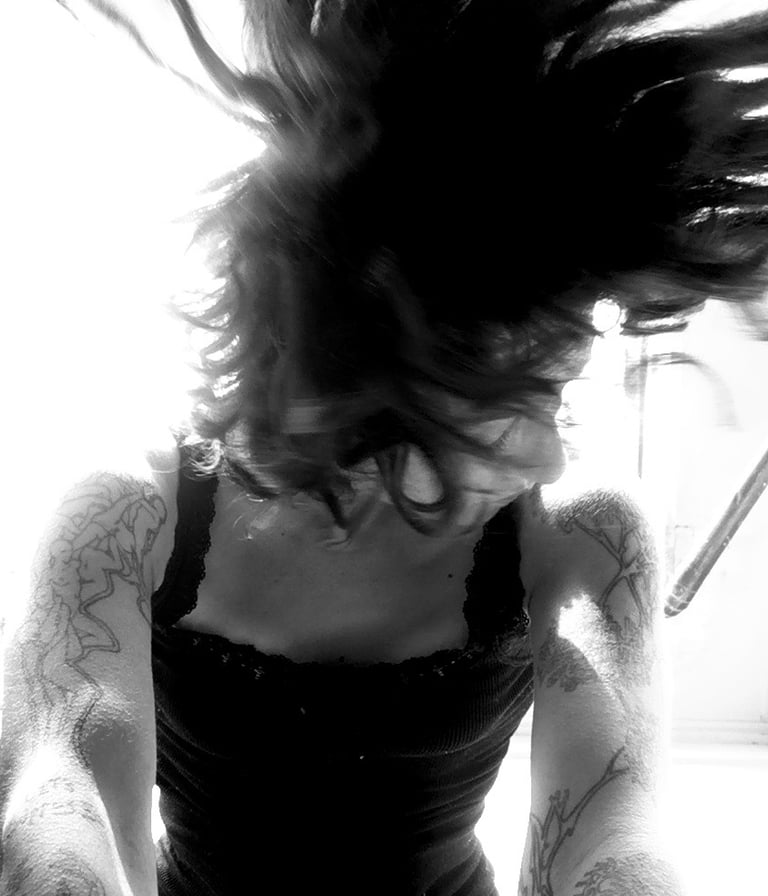
Contact improvisation was a very political act in the sense that it opened up a different way of being together. It was about equality, cooperation, and attending to others rather than dominating them.”
— Steve Paxton
DANCE AND CULTURE
I think that one of the reasons I got involved in dance is to finish my movement development.
Because I have a hunger to find and to finish, and to explore, to do essentially what babies do when they begin to move. A hunger to find out more of what movement is or can be.
I think is provides a service to keep the search alive in a culture which has engineered an environment which requires physical and sensorial suppression to exist in.
Most of the people who study dance aren't ambitious to be dancers infact or aren't serious about that ambition.
I think they are trying to complete physicality that gets messed up by sitting for 12 years in school, or longer.
Essentially urban civilization has cut off from movement and sensorial development which wuold occur in a natural environment.
I mean the sense of smell is leaving, the sense of sight is rigidly controlled by reading, by television, by school, by signage, by words everywhere you look in the city.
Infact there are many kinds of control or implicit visual message about how to interact with the city, here there is more neon than nuance. Food is advertised rather than hunted for. Entertainment becomes divorced from ingenuity.
I m not complaing because it's about 15,000 years too late to change direction.
I found the cities very interesting places but when I return to the country I am struck by the difference in what is required by the senses.
It is appaling how we disuse the body.
Dance reminds us about that.
Dance explore some physical possibilities.
Dance refocuses our focusing mind on very basic existence,
and time, space, gravity open up to creativity.
This seems to me a reminder of nature to our nature. And as such it provides a service to us in our physical doldrums.
It's a wakeup call for deadened urbanities, a stimulus to work-habituated bodies, a promise to developing children.
Even those country folk, who cope with a natural environment and use their bodies more and more often fall into tools from which creativity has departed.
Dance will remind theme of their feet, their spines,their reach.
I think it is good for us.
Steve Paxton
Anna Tsing
The Mushroom at the End of the World
precarity
We hear about precarity in the news every day. People lose their jobs or get angry because they never had them. Gorillas and river porpoises hover at the edge of extinction. Rising seas swamp whole Pacific islands. But most of the time we imagine such precarity to be an exception to how the world works. It’s what “drops out” from the system. What if, as I’m suggesting, precarity is the condition of our time—or, to put it another way, what if our time is ripe for sensing precarity? What if precarity, indeterminacy, and what we imagine as trivial are the center of the systematicity we seek?
Precarity is the condition of being vulnerable to others. Unpredictable encounters transform us; we are not in control, even of ourselves. Unable to rely on a stable structure of community, we are thrown into shifting assemblages, which remake us as well as our others. We can’t rely on the status quo; everything is in flux, including our ability to survive. Thinking through precarity changes social analysis. A precarious world is a world without teleology. Indeterminacy, the unplanned nature of time, is frightening, but thinking through precarity makes it evident that indeterminacy also makes life possible.
radio Piedras
Te pido tomar esta piedra, no cuesta nada.
SÍ, es un poco pesada pero vale la pena.
Tómala. Mírala.
Piedra de incendio.
Piedra de bosque.
Piedra de muro.
Desaparecida.
No es piedra, es flauta.
Es piedra, escucha.
No es piedra, es arma.
Es piedra.
Es lucha.
No te pido nada.
Solo tomarla.
No por mÍ, ni por ti, ni por ella, piedra hermosa.
Tómala porque sÍ.
Tómala como se toma un palillo.
Tómala como se toma un diario.
Como se acaricia un perro. Abandonado.
Esta piedra exportada.
Esta piedra exiliada.
Esta piedra atorada.
Te pido tomar esta piedra que está ahí respirando, que está ahí esperando
que te des cuenta, que cuando la tomas, la
tomas por mÍ. Que cuando la tomo, la tomo por ti.
Te pido tomar esta piedra. No cuesta nada.
Sí , es un poco pesada pero vale la pena.
Nicholas Jaar
Imagination is not a fantasy outside reality.
Imagination is a way to interrupt what is presented as inevitable.
The dominant system survives by telling us:
there is no alternative.
Imagining is how we refuse that lie.
Nica Portavia
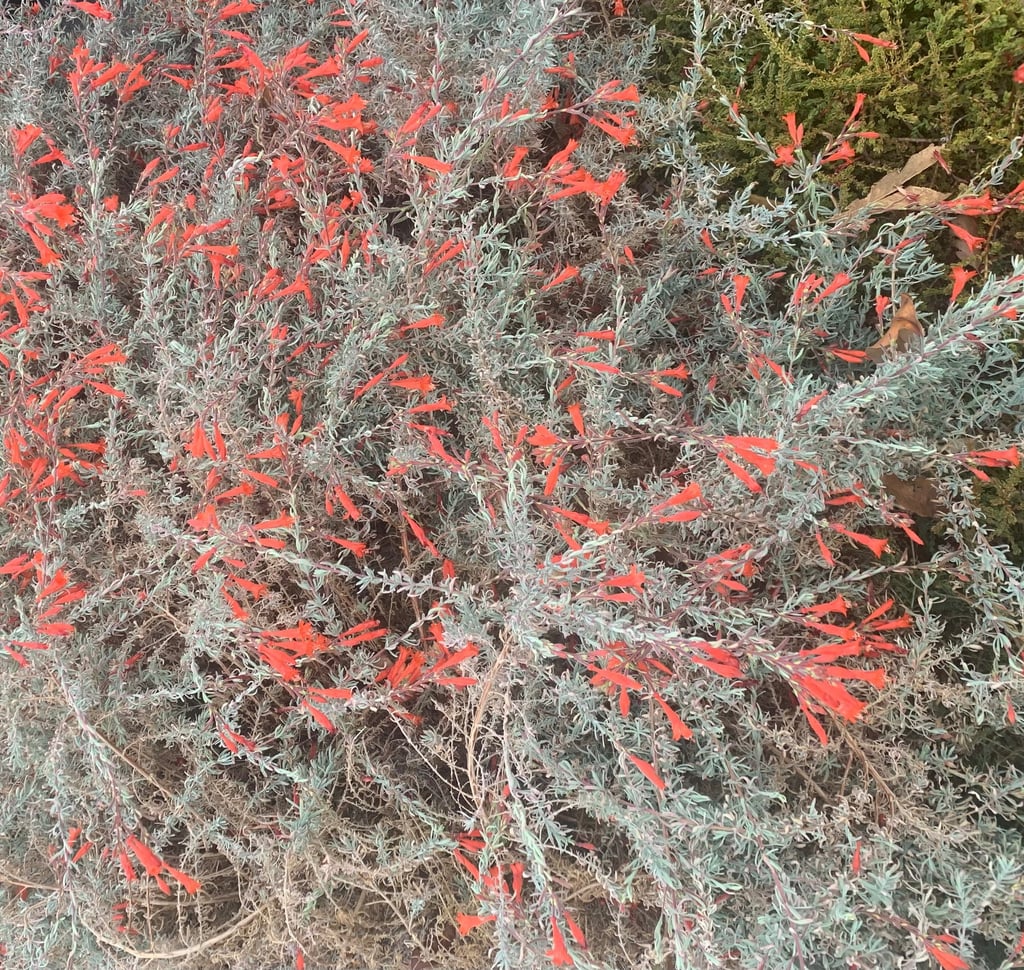
Love letter to our bodies
we small stepping in a planet bigger than us.
we small touching and being touched by all the support all the relations-ships.
The world is big, circular entity, round bodies for softer bones.
We fall for plasure. We fall to come back.
What if 'in order to touch someone we must fall'?
Failure is not a word that take space betwee our bodies. We can fall and keep falling as a practice of surrendering, integrating, breathing, being together attracted from the same planet.
how we support our selves before asking to be supported?
how we support ourselves kowing that the planet heart the gravity force and a spherical space are open new possibilities, new horizons and new support-s?
We sense the gravity , we sense the skin.
The smallest movement of our lungs is creatig new space, the smallest movement of our feet is creating new billions of adjustments to stay in this precarious time. Standing ready to fall, standing for, standing and relating with the whole, no hierarchy in our standing.
Standing relaxing the knees, the eyes, the organs: the small dance.
The weight is a big thing. We all have a weight. we share it with the planet.
Our weight is something to celebrate, masses encounter messiness.
We can give and support weight not posses it. We can invite the weight, we share gravity as big impact.
Small dances Big impacts Big learning
how much I want to know about you before arriving/knowing /about myself?
Contact Improvisation is an high risk practice, because we touch each other, because we consent to the touch, because communicating through the bodies is real, is part of what we are, is political, is radical.
It taking responsibilities, is taking care, is it about accountability and choices.
thanks for having taken the risk.
Thanks for trusting in another toghterness
Thanks for touching
Thanks for loving all the places.